
Address: Wollongong NSW


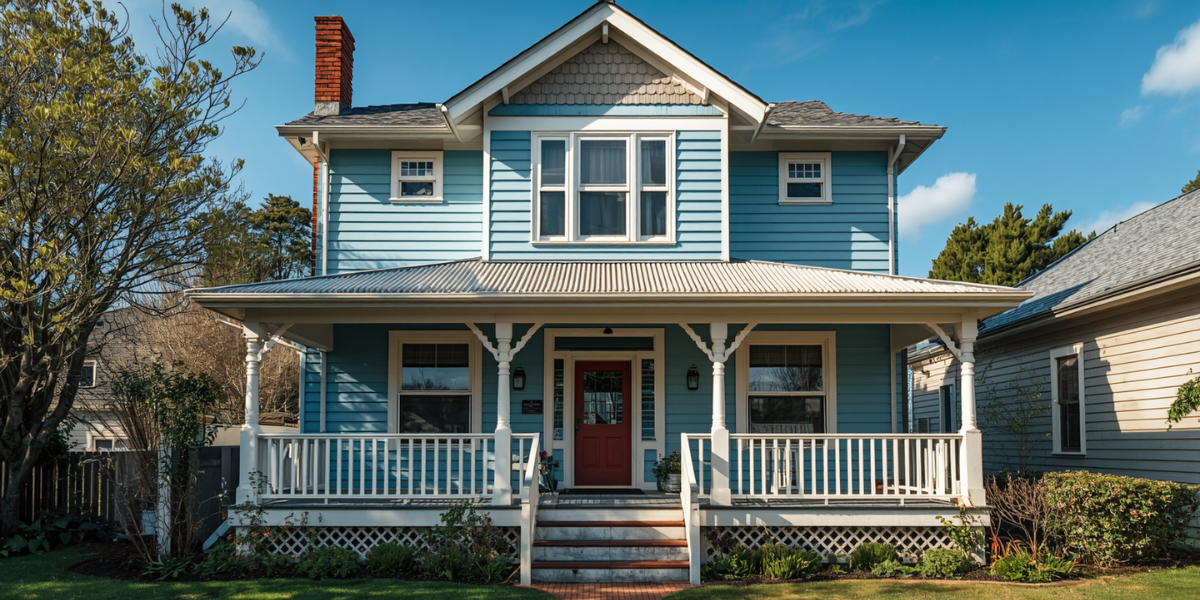
Exterior Painting in Wollongong — What Makes It Different
Ask a painter from western Sydney about exterior painting in Wollongong, and they’ll give you a standard answer about prep and product. It’s not wrong — but it’s incomplete. The Illawarra has its own set of conditions that affect how exterior paint performs, what products hold up, and how quickly a sub-standard job fails.
If you’re planning an exterior repaint for your Wollongong home, here’s what you need to know that most generic guides won’t tell you. That local knowledge is exactly what good exterior painting in Wollongong depends on.
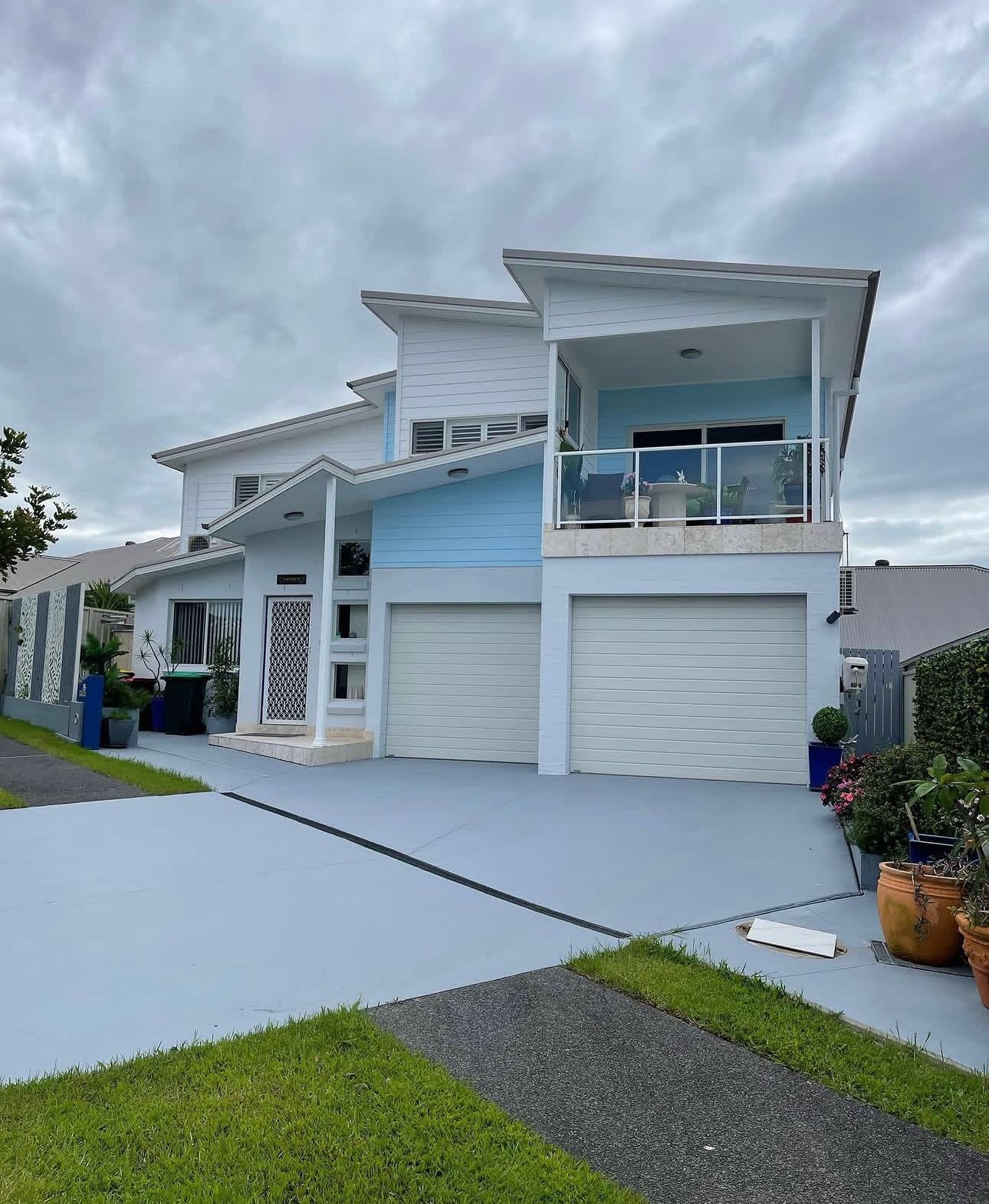
The Illawarra Microclimate — Why It Matters for Paint
Wollongong sits in a geographically unusual position. To the west, the Illawarra Escarpment rises steeply. To the east, the Tasman Sea. This geography creates conditions that are notably different from metro Sydney: That position is the whole reason exterior painting in Wollongong behaves differently.
Coastal Salt Air
Airborne salt from the ocean deposits on exterior surfaces continuously. Salt is hygroscopic — it draws moisture to itself and holds it against the paint film. Over time, this causes blistering, lifting, and adhesion failure — even on paint that was applied correctly. Salt is the first thing we plan around with any exterior painting in Wollongong.
Properties within 1–3km of the coastline — anywhere from Austinmer and Thirroul through Wollongong proper down to Bulli — are in a higher salt exposure zone. Homes on elevated sites facing the ocean cop even more. Homes this close to the water need exterior painting in Wollongong done with the right coatings.
Escarpment-Generated Humidity and Rainfall
Wollongong receives significantly more rainfall than most of metropolitan Sydney. The Escarpment forces moisture-laden easterly winds upward, creating rainfall patterns that keep exterior surfaces wetter for longer. Rain and damp shape how we schedule exterior painting in Wollongong.
Moisture cycling — wet then dry, wet then dry — is the enemy of exterior paint. Every cycle stresses the paint film, and over years, this leads to cracking, delamination, and moisture ingress. Beating that cycle is the real goal of quality exterior painting in Wollongong.
UV Intensity
North-facing walls in Wollongong receive intense direct sun, particularly from late morning through the afternoon in summer. UV radiation breaks down paint binders — causing chalking and colour fade — faster than in cooler or more overcast environments.
Biological Growth
The combination of humidity, warmth, and coastal proximity creates ideal conditions for mould, mildew, algae, and lichen on exterior surfaces. This isn’t just cosmetic — biological growth physically degrades the paint film over time and can etch into substrate surfaces if left long enough. It all feeds into how we approach exterior painting in Wollongong here.
How Often Should You Schedule Exterior Painting in Wollongong?
Given these conditions, here are realistic repaint cycles for Illawarra properties:
| Surface / Location | Recommended Cycle |
|---|---|
| Coastal properties (within 2km of ocean) | 5–7 years |
| Mid-Illawarra (2–5km from coast) | 7–9 years |
| West Wollongong / elevated areas | 8–10 years |
| Timber fascias and eaves (all areas) | 5–7 years |
| Rendered masonry walls | 7–10 years |
These figures assume quality products and proper preparation. Cheap paint or poor prep will cut these timelines significantly — often to 3–4 years before visible failure. From my experience, exterior painting in Wollongong should be done every 7 to 10 years, not longer. Get to 13-plus years and the sun penetration into the timber becomes severe — at that point you can’t restore it to 100%, even with heavy patching, and patches never hold as long as the original cladding. Maintained on that 7-to-10-year cycle, the boards keep looking brand new pretty much forever.
What Products Actually Hold Up on the Illawarra Coast?
Product selection matters more in coastal environments than anywhere. The key specs for exterior paint in Wollongong: For exterior painting in Wollongong, Dulux is the gold standard — houses we painted 20-plus years ago still have perfect colour and sheen. Haymes is quality paint but isn’t built for that kind of long-term durability, and Taubmans Trade exterior fades and chalks within 3 to 5 years down here. This isn’t an ad for Dulux — we’re just quality painters who use quality paint.
High UV Resistance — look for products specifically rated for UV protection. Not just “exterior paint” generically — quality products from Dulux Weathershield, Taubmans Endure Exterior, and Haymes Supacryl are formulated for Australian UV conditions.
Elastomeric or Flexible Formulas — paint that can flex with thermal expansion and contraction without cracking. This is especially important on rendered masonry surfaces that move slightly with temperature changes.
Anti-Fungal Additives — products with mould and mildew inhibitors are not optional in the Illawarra. Without them, biological growth will appear on the new paint within 2–3 years. It all feeds into how we approach exterior painting in Wollongong here.
Appropriate Primer Systems — every surface type needs the right primer. Rendered masonry needs an alkali-resistant acrylic primer. Bare timber needs a penetrating oil-based or quality acrylic primer. Previously painted surfaces with adhesion concerns need a bonding primer. Getting the primer wrong is a common cause of early failure.
Suburb-by-Suburb: What Colourland Painting Sees
We work across the Illawarra every week. Here’s what’s most common in specific areas:
Austinmer and Thirroul
Elevated coastal homes with significant salt air exposure. Weatherboard and timber-detailed homes are common — these need extra attention to timber prep and primer. Salt-related paint failure is the most frequent issue we address in this corridor.
Bulli
A mix of older brick and rendered homes, many with significant trees close to the house. Biological growth — particularly lichen on south and east-facing walls under tree canopy — is the dominant exterior issue.
West Wollongong
Generally further from the coast and more sheltered from salt air. UV fade and chalking on north-facing walls is the primary issue here, with conditions slightly more forgiving than beachside locations.
Wollongong City and North Beach
Denser housing, more rendered exteriors, and proximity to the ocean. Moisture-related failure around windows and joins is common in older rendered homes. Efflorescence (salt migration through render) is also seen regularly.
What Proper Exterior Painting in Wollongong Involves
A thorough exterior repaint in the Illawarra includes:
1. High-Pressure Wash
Removes salt deposits, biological growth, dirt, and chalking residue. Essential for adhesion — paint applied over chalking or salt won’t bond.
2. Biological Treatment
A fungicidal wash applied after pressure washing to kill mould, algae, and lichen at the spore level. Skipping this step means biological growth returns within 1–2 years under the new paint.
3. Surface Preparation
Scraping and sanding loose or flaking paint. Filling cracks — using flexible exterior filler for any render or masonry movement. Sealing gaps at window and door frames. Treating bare timber knots.
4. Primer Application
Appropriate primer for each surface type. Not a shortcut — the primer is what the topcoat bonds to, and getting it right determines how long the job lasts.
5. Two Quality Topcoats
Applied in appropriate conditions — not in direct hot sun, not in cold or damp weather. Both coats at full coverage, not thinned out to stretch product.
Signs Your Wollongong Home’s Exterior Needs Attention
- Chalking: Powdery residue when you run your hand across the wall
- Fading: Significant colour loss, particularly on north-facing surfaces
- Peeling or flaking: Paint lifting from the surface in any area
- Biological growth: Green, black, or grey staining — mould, algae, or lichen
- Cracks in render: Hairline or wider, particularly around window frames
- Timber greying: Bare, UV-exposed timber with no surface protection left
If you’re seeing more than one of these, it’s time to act rather than wait.
Ready for an Exterior Repaint in Wollongong?
At Colourland Painting, we specialise in exterior painting across Wollongong, Thirroul, Austinmer, Bulli, and West Wollongong. We know the conditions out here and we prepare and paint accordingly. If you’re due for exterior painting in Wollongong, phone 0421 755 294 for a free quote. For paint specs, Dulux Australia is a useful reference.
- Exterior painting services
- House painters Wollongong
- Painters in Thirroul
- Painters in Austinmer
- Painters in Bulli
- Get a free quote