
Address: Wollongong NSW


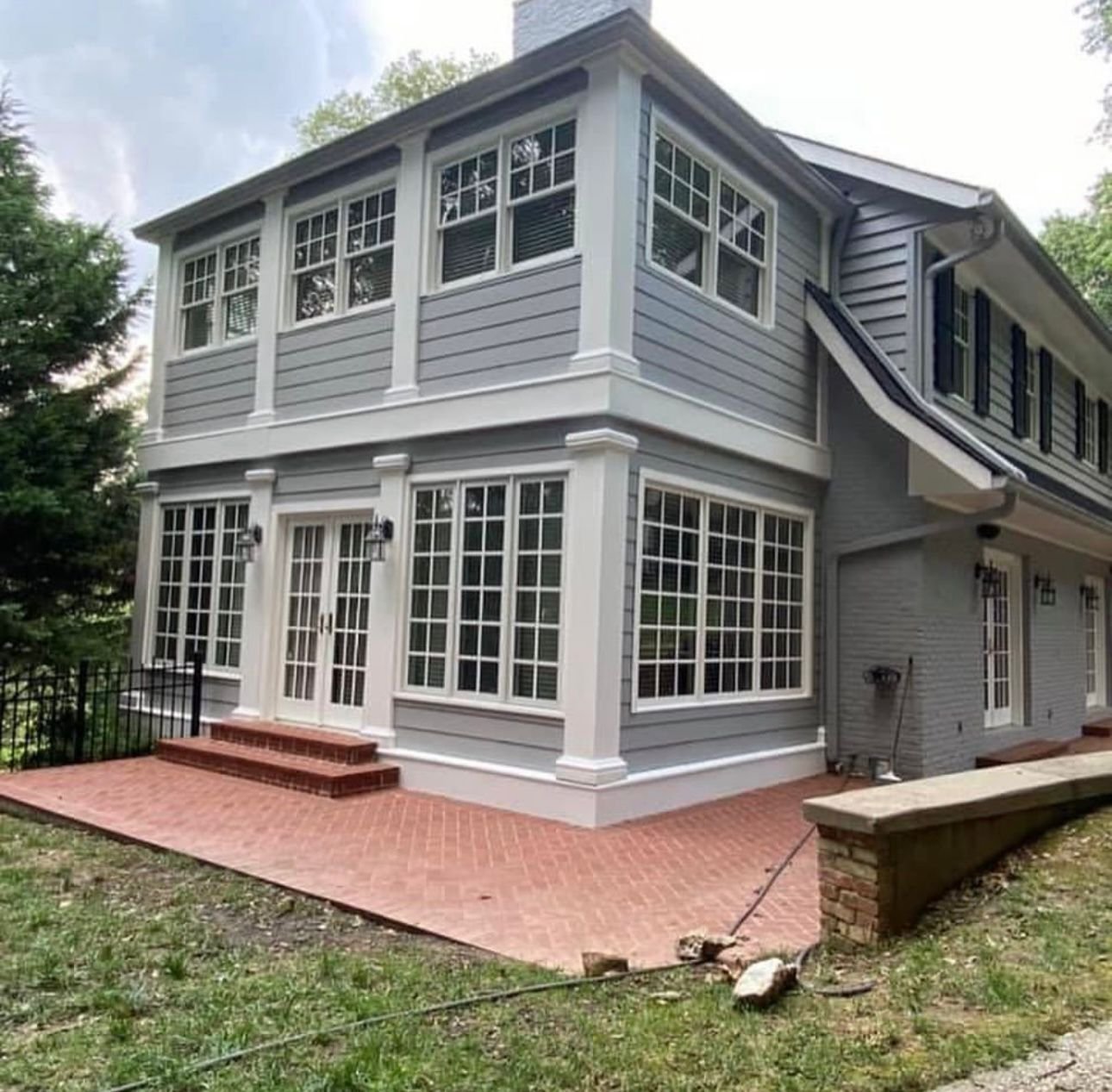
Best Exterior Paint Durability: A Painter’s Honest Guide
I can tell exactly what paint was used on a house just by looking at it after a few years. After 35-plus years between two generations of painters, you learn to read a wall like a book — the way it fades, the way it chalks, the way the colour shifts on the sunny side. So when people ask me what the best exterior paint is, I don’t answer from a brochure. I answer from the hundreds of Wollongong homes we’ve painted, stripped back, and come back to a decade later.
This is a straight-talking guide to exterior paint durability: which brands actually last, why paint fails, how to pick the best exterior paint, how often you really need to repaint, and how exterior and interior paint play by completely different rules. No marketing spin — just what we’ve seen on the tools.
Best exterior paint: Taubmans vs Haymes vs Dulux
Every brand will tell you they make the best exterior paint. When it comes to the best exterior paint, the real test is what it looks like in five, ten, twenty years on a west-facing wall in the Illawarra sun. Here’s how the big three stack up in our experience.
Taubmans Trade exterior
I’ll be blunt: Taubmans Trade exterior fades within three to five years and chalks badly. Chalking is that powdery residue you get on your hand when you rub the wall — and the frustrating part is it comes back within days even after you wash it down. Once a paint starts chalking, it’s telling you it’s breaking down. The top-line Taubmans products are better, but the trade range is not something I’d put on a home I wanted to protect.
Haymes
Haymes is genuinely quality paint — Australian owned, good to work with. But in my experience it can flicker and break down over time. It’s not designed for the kind of long-term durability you get from Dulux. For a shorter cycle it’s fine, but if you want to set and forget for a decade-plus, it’s not my first pick for exterior.
Dulux
Dulux is the gold standard, full stop — if you want the best exterior paint for an Australian home, this is it. We’ve gone back to houses we painted 20-plus years ago and the colour and sheen are still perfect. Even a 10-year touch-up shows no colour shift — the new paint blends straight into the old. That consistency is rare. And here’s the thing: even Dulux’s worst paint is still excellent. Their entry level outperforms a lot of brands’ top lines.
This isn’t an ad for Dulux — we’re quality painters and use quality paint. That’s our standard. There are other strong top-line products out there, Toten and ID Advanced among them, and they have real merit. But when a customer wants the surest bet for the long haul, Dulux is what I reach for. You can read more about their exterior range, Dulux Weathershield, on their site.
Why exterior paint fails
Exterior paint doesn’t usually fail because someone did a bad job rolling it on. It fails because of what’s hitting it every single day: UV, heat, salt air off the coast, and moisture. The sun is the big one around here. On the sunny-facing sides of a house — north and west — paint takes a beating that the shaded sides never see.
You’ll see it show up as fading first, then chalking, then flickering and breakdown of the film. Cheaper paints give up early because the pigments and binders aren’t built to hold under that load. Once the protective film breaks down, moisture gets into the timber underneath — and that’s where a cosmetic problem becomes a structural one.
The 7-10 year rule (and what happens if you leave it)
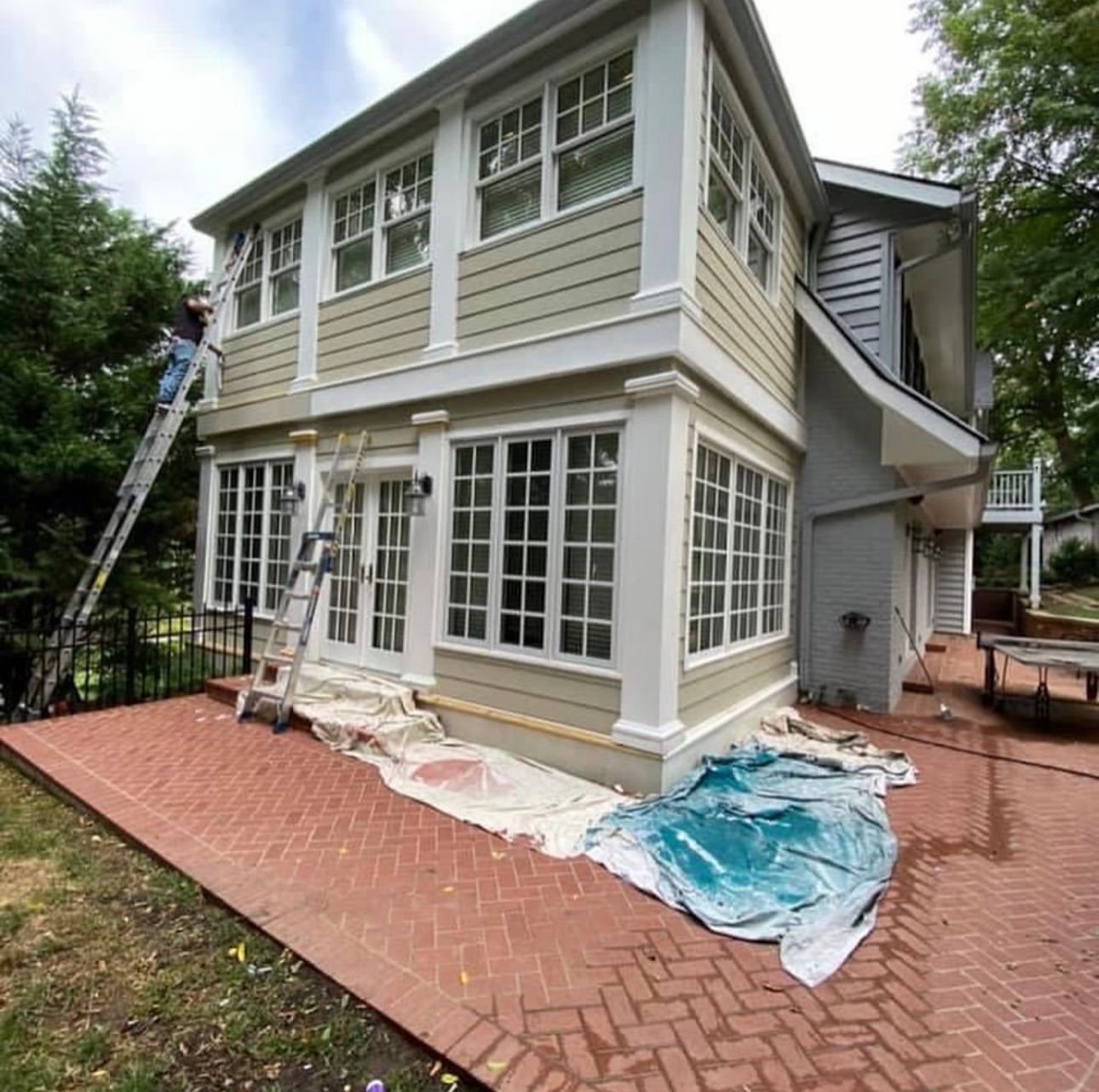
Most articles online will tell you to repaint your exterior every 10 years or more. I’d push back on that. For exterior, the sweet spot is seven to ten years — not longer. Stick to that and the boards stay looking brand new. Leave it longer and the sun damage, especially on those sunny-facing sides, starts to become irreversible.
Here’s what I mean by irreversible. By around 13 years without a repaint, the sun has penetrated deep into the wood itself. Once the timber is roughly 90 per cent damaged, you can’t restore it back to 100 per cent — not even with heavy patching and filler. And patches never hold as long as the original cladding; in our experience a patched section fails again within three to five years, so you’re back doing it sooner.
Repaint on schedule, though, and it’s a different story. The board will continue to look brand new pretty much forever if you maintain it every seven to ten years. That’s the whole point — a repaint on time isn’t just cosmetic, it’s protecting the timber so you never reach the point of no return. If your home is coming up on that mark, our exterior painting service is the place to start.
Interior vs exterior paint: different rules entirely
People assume interior and exterior paint are basically the same product in different tins. They’re not. Exterior paint is built with tougher resins and additives to handle UV, weather and movement. Interior paint is formulated for a stable, sheltered environment — it doesn’t need to fight the sun, so it can use more delicate colours and finishes.
The timelines are different too, and this surprises people. Inside, you’ve got far more flexibility — 15 to 20 years is perfectly fine before a repaint. That’s because interior paint is aesthetic, not structural. Nothing is rotting behind your living room wall if you wait an extra few years. Outside, that delay costs you the timber. So don’t apply your interior mindset to your exterior — the stakes aren’t the same. If the inside of your place is due for a refresh, that’s what our interior painting team handles.
Picking a new colour while you’re at it? See our guide on how to choose paint colours — including why dark exterior shades need a top-quality paint to hold their colour.
Frequently asked questions
What’s the best exterior paint?
The best exterior paint for long-term durability is Dulux — it’s our go-to — we’ve seen 20-year-old jobs still holding perfect colour and sheen. Even its entry level outperforms many brands’ top lines. Other premium products like Toten and ID Advanced have merit too. We steer clear of Taubmans Trade exterior, which tends to fade and chalk within three to five years.
How long does exterior paint last?
A quality exterior paint applied properly should look great for seven to ten years. Cheaper paints can start fading and chalking in as little as three to five. Sunny north and west-facing walls always wear faster than shaded sides.
How often should I repaint my house exterior?
Every seven to ten years — not longer. Repainting on that cycle keeps the boards looking new and protects the timber. Leave it past about 13 years and sun damage to the wood can become irreversible.
Can I use exterior paint inside?
It’s not recommended. Exterior paints contain tougher additives designed for weather and UV, which aren’t ideal indoors. Interior paint is formulated for a sheltered environment and offers a wider, more delicate colour range.
How often should I repaint interior walls?
Interior is far more flexible — 15 to 20 years is fine, because it’s aesthetic rather than structural. Most people repaint sooner simply to update colours or freshen high-traffic rooms.
Due for a repaint? Talk to us
If your house exterior is due for a repaint (or approaching that 7-10 year mark), get a free quote from Colourland Painting. We’ll assess the condition, recommend the right paint for your home, and handle it professionally. Phone 0421 755 294 or visit our contact page to get in touch. You can also see more about who we are over on the Colourland Painting homepage.