Address: Wollongong NSW


Choosing a Quality Interior Painter: A Painter’s Honest Guide
If you want a finish that still looks fresh in ten years, the single most important decision you’ll make is who you hire as your interior painter — and what they put on your walls. After more than two decades painting homes across Wollongong and the Illawarra, I can tell you the difference between a job that lasts and one that flakes within a year usually comes down to two things: proper preparation and the quality of the paint. In this guide I’ll walk you through exactly what to look for, so you can feel confident you’re choosing the right interior painter for your home.
What a good interior painter actually does
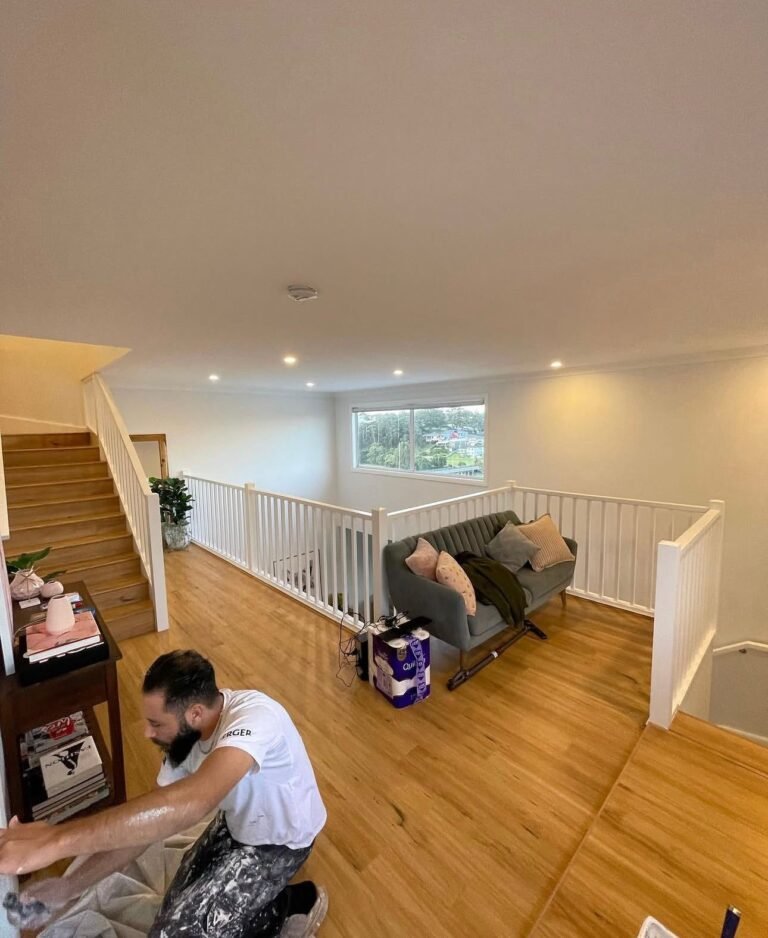
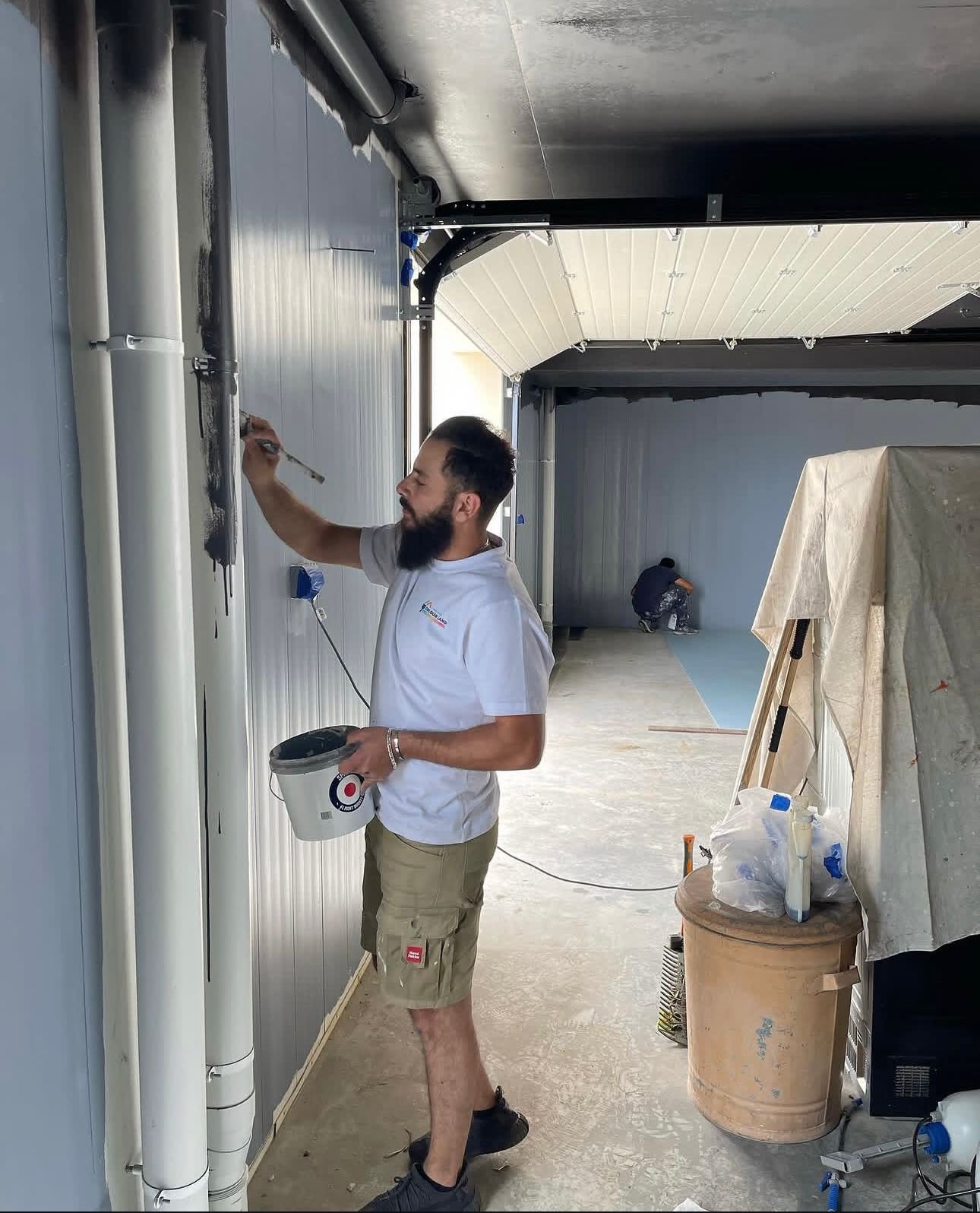
A lot of people think interior painting is simply rolling colour onto a wall. The reality is that the paint is the last 20 per cent of the job — the first 80 per cent is preparation, and that’s where a skilled interior painter earns their keep. We fill cracks and nail holes, sand back rough patches, spot-prime bare or patched areas, mask edges and protect your floors and furniture before a single coat goes on. Skip that groundwork and even the best paint in the country will telegraph every flaw underneath.
From there it’s about technique: cutting in clean lines by hand, keeping a wet edge so there are no roller marks, and applying the right number of coats for full, even coverage. On most repaints that means two solid topcoats over a prepared surface; on new plasterboard or a strong colour change, it can mean a sealer plus two coats. A professional interior painter will tell you honestly how many coats your job needs rather than cutting corners to win on price.
The paint matters more than people think
Here’s where I’ll be very direct, because it’s the question clients ask me most: what paint should go on the walls? In our interior projects we strongly prefer Dulux Wash&Wear, and it’s not a sponsored opinion — it’s twenty-plus years of watching how different paints hold up in real homes. For families with kids especially, Wash&Wear is a game-changer. The walls are genuinely easy to wipe clean, they keep that fresh look year after year, and I’ve gone back to homes we painted 20 and even 30 years ago where a Dulux job is still in perfect condition. If it’s well maintained, it simply doesn’t fail.
Why we steer clients away from trade paints
On the other side, we always advise clients to avoid cheap trade paints. From what we’ve seen on the ground, within a year or two trade paint starts to chalk, flake and degrade — and then you’re paying to do the whole room again. That’s exactly why we encourage spending a little more upfront on Dulux or another premium brand like Taubmans or Haymes. It’s the cheapest decision you’ll make in the long run.
I’ll be honest about the premium brands too, because that’s the kind of advice I’d want as a homeowner. Even in their top lines, Taubmans can disappoint — in our experience they tend to use lower-grade materials than the label suggests. Dulux, by contrast, is still fantastic even at its entry level. That consistency is the whole reason it’s our go-to. When a good interior painter recommends a paint, it should be based on how it actually performs over years, not on what’s cheapest on the shelf this week.
How to choose the right interior painter for your home
Quote in hand, how do you tell a quality interior painter from someone who’ll let you down? A few things are worth checking every time:
- Licensing and insurance. In NSW, painting work over a certain value requires the right licence, and any reputable painter carries public liability cover. You can verify a tradesperson through NSW Fair Trading.
- A clear, itemised quote. It should spell out the preparation, the number of coats, the paint brand and product, and what’s included. Vague one-line quotes are a red flag.
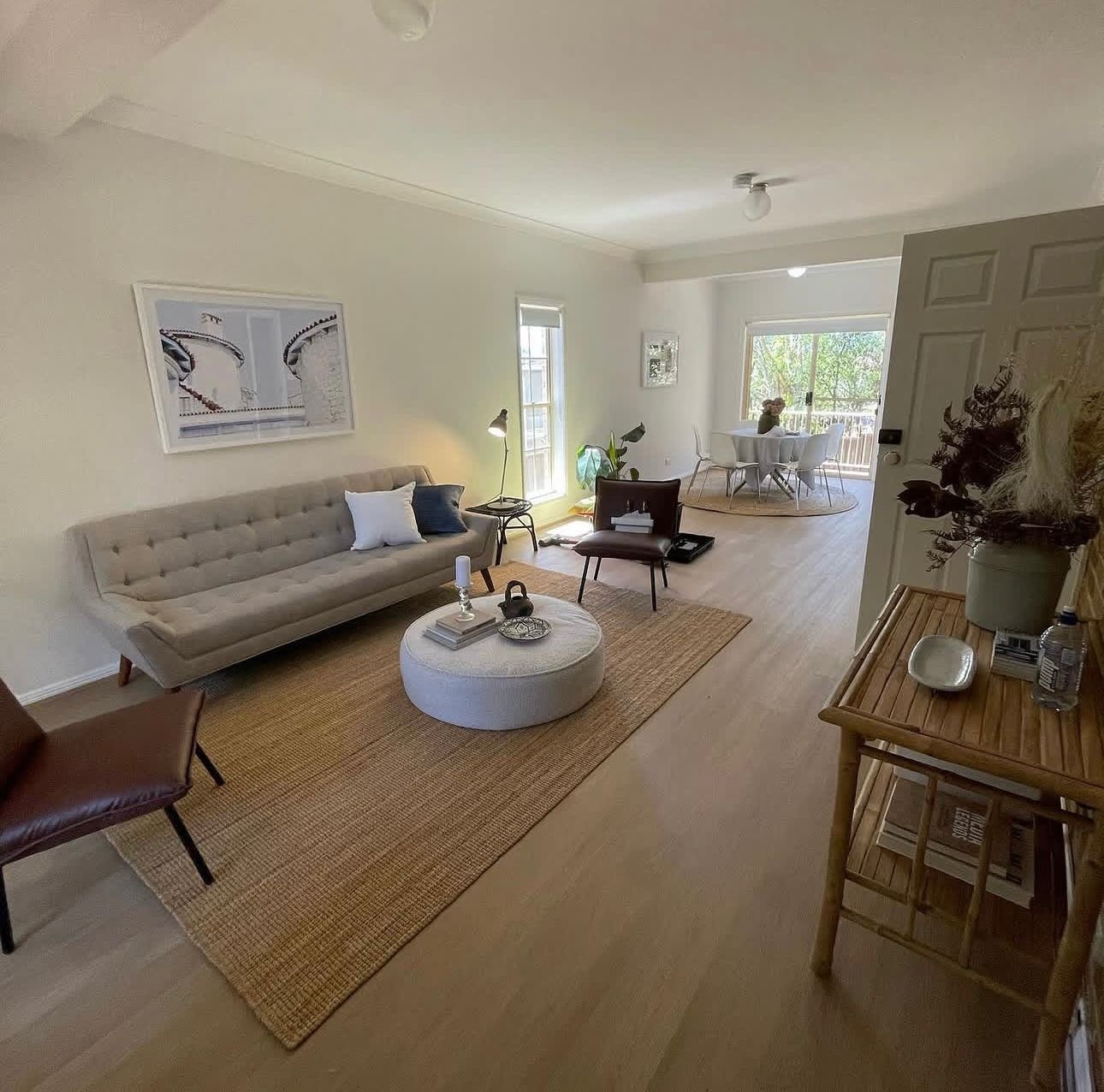
- Real local references and photos. Ask to see actual completed jobs in your area — not stock images. A genuine interior painter will happily show you their work.
- Honesty about paint. If a painter pushes the cheapest trade paint to keep the price down, ask why. The right answer protects your walls, not their margin.
- Tidiness and respect for your home. Drop sheets, masked-off edges and a clean finish at the end say a lot about how the rest of the job was done.
Local factors that matter in the Illawarra
Living near the coast has an effect indoors too. Humidity coming off the ocean can slow drying times and, in poorly ventilated rooms like bathrooms and laundries, encourage mould if the wrong product is used. A local interior painter who knows Wollongong homes will choose washable, mould-resistant finishes for those wet areas and allow proper drying time between coats rather than rushing. Older fibro and weatherboard homes around the Illawarra also need a careful eye on surface prep and, in some cases, lead-safe practices on pre-1970s paintwork.
If you’re weighing up the budget, it helps to know what a job like yours typically runs to. We’ve broken down realistic figures in our guide to interior painting costs in Wollongong, and if you’re also looking at the outside of the house, our exterior painting cost guide covers that side. For more on vetting and hiring, see our companion piece on how to hire the right interior painter in Wollongong.
Frequently asked questions
What is the best paint for interior walls?
For most homes we recommend Dulux Wash&Wear. It’s washable, hard-wearing and keeps its finish for years, which makes it ideal for families and high-traffic rooms. Premium brands like Haymes are also strong choices. We steer clients away from cheap trade paints, which tend to chalk and flake within a year or two.
How many coats does an interior painter apply?
On a typical repaint, two topcoats over properly prepared surfaces. New plasterboard or a major colour change usually needs a sealer or primer plus two coats for full, even coverage.
How long does it take to paint the interior of a house?
It depends on size and condition, but a single room often takes a day, while a full home interior can run several days to a week or more once you factor in preparation, drying time between coats and a careful finish.
Is it worth paying more for a quality interior painter?
Yes. The extra spent on good preparation and premium paint pays for itself by lasting far longer. A cheap job that needs redoing in a year or two almost always costs more in the end.
Do I need to be home while the painting is done?
Not necessarily. Many clients give us access and carry on with their day. We protect your floors and furniture, keep the site tidy and respect your home throughout.
Talk to a local interior painter you can trust
If you’d like honest advice on your interior repaint — including the right Dulux product for your rooms and a clear, itemised quote — I’d be glad to help. At Colourland Painting we’ve been finishing homes across Wollongong and the Illawarra for over 20 years, and we treat every wall as if it were our own. Call us on 0421 755 294 or request a free quote here, and let’s get your home looking its best.